
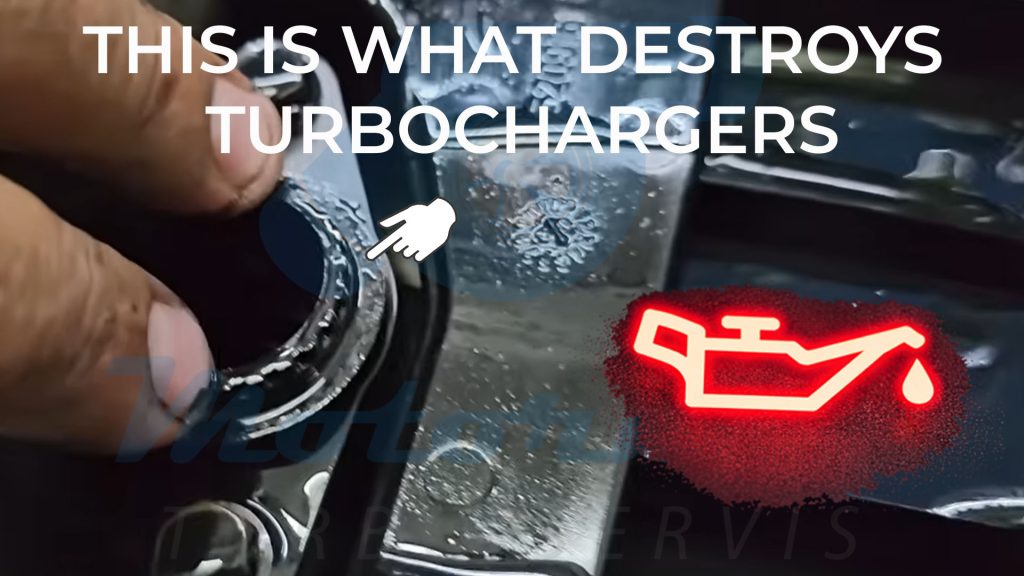
A Hidden Cause of Unstable Oil Pressure, Repeated Turbo Failure and Serious Engine Damage
On a large number of 1.6, 2.0 and 2.2 diesel engines, a small sealing element at the connection between the oil pickup pipe and the oil pump can lose elasticity over time, harden, and stop sealing properly. As a result, especially during cold start and at low engine speeds, the oil pump no longer maintains a completely stable oil intake. Aftermarket solutions for these engines describe this issue as a loss of sealing at the connection between the pickup pipe and the pump, leading to a drop in oil pressure and more pronounced symptoms during cold start.
At first glance, this detail may seem small and insignificant. In practice, however, the consequences can be very serious. The problem is deceptive because it often does not immediately appear as a total engine failure. Much more often, it starts quietly: delayed oil pressure warning during cold start, occasional noises after startup, unstable lubrication, and eventually turbocharger damage that is incorrectly attributed to the turbo itself.
That is exactly why this topic is important.
Not because it is an expensive part.
But because a small, inexpensive and often overlooked component can be the beginning of a major and costly problem.
What Is the Actual Problem
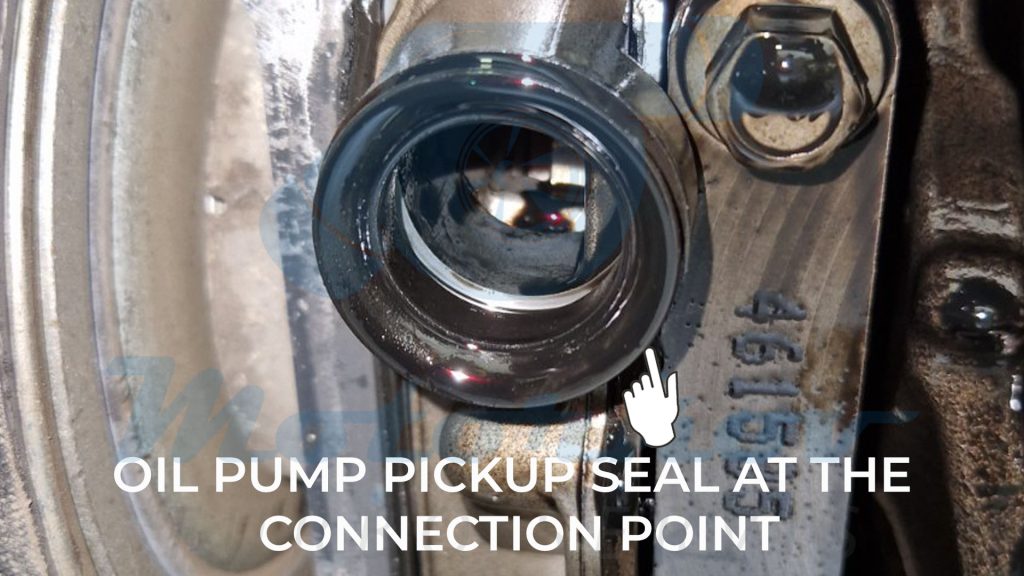
At the connection between the oil pickup pipe and the oil pump housing, there is a sealing element whose role is to ensure a completely tight seal. In certain designs, this connection is factory-made using a rubber seal or O-ring. When this element is new, the connection is secure and the pump draws a stable column of oil.
Over time, under the influence of:
temperature cycles
material aging
contact with oil
operational stress
this element can:
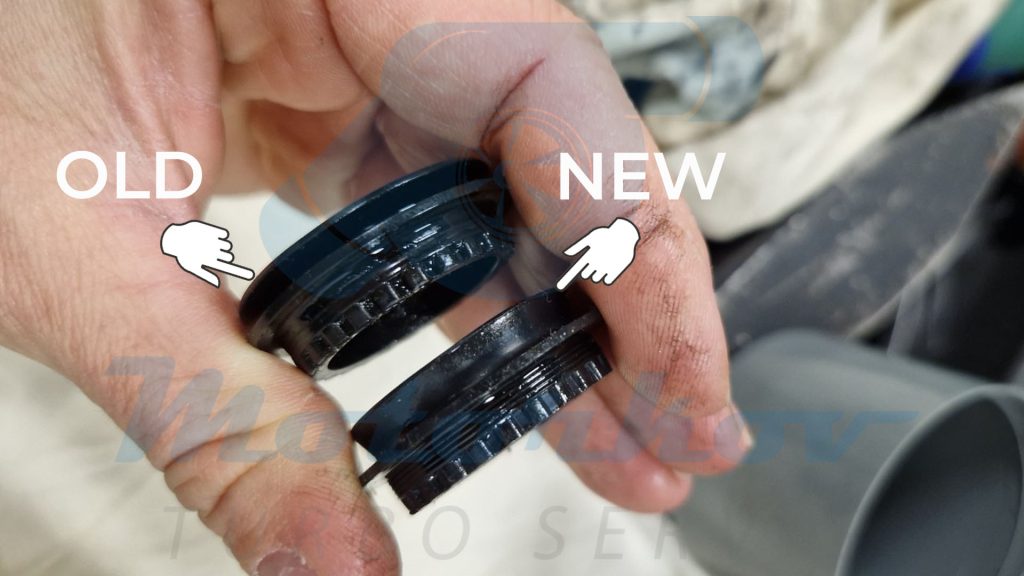
lose elasticity
harden
deform
start leaking or no longer seat properly
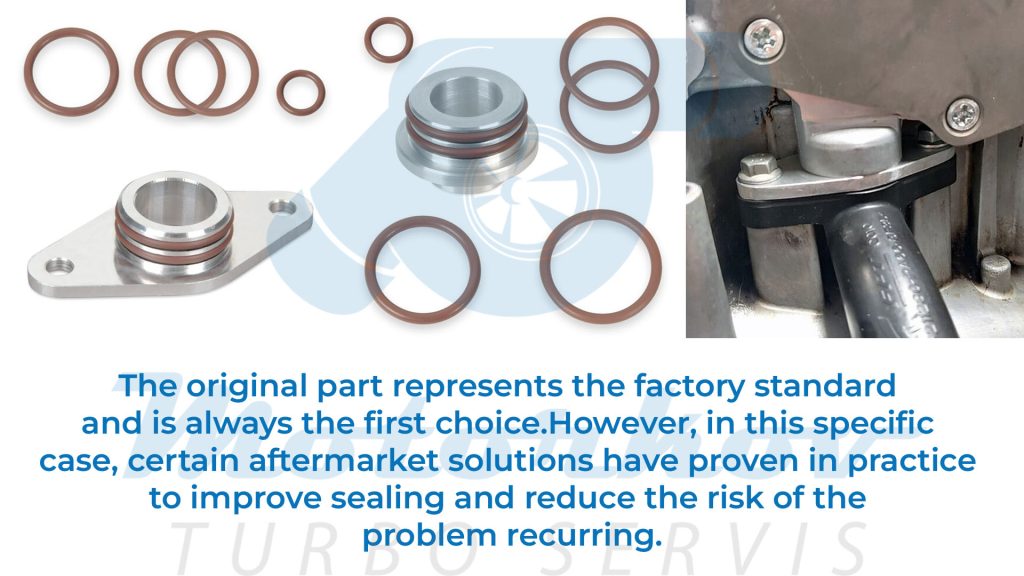
JTD Performance states for the JTD/TBi engine group that the factory solution seals the pickup pipe axially, while their modification changes the sealing to radial using an aluminum flange and two Viton O-rings, claiming it is a more reliable solution.
Tafmet for Fiat/Alfa/Jeep 1.6 / 2.0 / 2.2 JTD MultiJet engines and especially for the Opel 2.0 CDTI group also offers replacement solutions for this connection, stating that the seal is located between the oil pump and the pickup pipe and that its aging leads to a drop in lubrication pressure.
Why the Problem Is Most Pronounced During Cold Start and Low RPM
This is the key part of the entire story.
During cold start, the oil is thicker, and the pump must immediately establish stable suction and continuous lubrication. If the connection is not perfectly sealed, the system will show weakness most easily at this moment. At lower engine speeds, the pump does not have the same reserve capacity as later during operation, so the disturbance in suction becomes most noticeable.
That is why in practice the most common symptoms are:
the oil pressure warning light remains on for a few seconds after cold start
the problem is more pronounced in winter and at lower temperatures
unusual noises may be heard immediately after startup
the vehicle appears to run normally, but lubrication is not stable at that moment
This is exactly why this issue is often overlooked.
The car starts.
The engine runs.
The vehicle leaves the workshop.
But that does not mean the lubrication system is functioning properly.
Why This Is Especially Dangerous for the Turbocharger
Most people, when they hear “low oil pressure,” immediately think of the crankshaft, bearings and total engine failure. That is a real risk, but it is not the only one.
The turbocharger operates under very demanding conditions and depends entirely on a stable and high-quality oil film. When the lubrication system repeatedly does not function properly during cold start and at low RPM, the turbo often suffers damage before the driver or technician realizes there is a serious problem.
In practice, the following pattern occurs:
the turbo is replaced or repaired
the vehicle runs normally for a period
after a few months, whining or a new failure appears
At that point, attention is again directed at the turbo.
But the real cause remains in the engine.
Turbo is not the cause. Turbo is the first victim.
That is why this topic is not just about an “oil warning light.”
This is about misdiagnosis, repeated failures, and high costs caused by not identifying the real cause in time.
How This Problem Looks in Reality
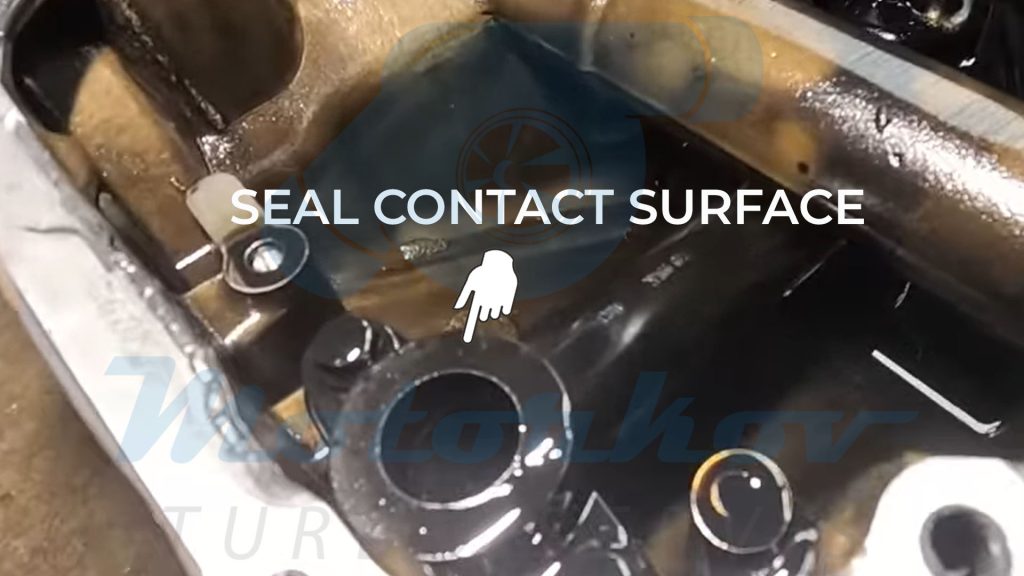
When the oil pan is removed, the situation is often very clear.
In real service examples, the seal that was once supposed to be flexible no longer looks like rubber. The material can become so hard that it behaves almost like plastic. Instead of sealing properly, it no longer conforms to the connection.
This leads to the main issue:
the connection is no longer completely secure
the oil pump suction is no longer stable
and the consequences begin to escalate
Why Different Adapter Solutions Exist
It is important to emphasize that this problem is not limited to one brand or one engine. Today, there are at least two major groups of engines where the same principle appears, but with different adapter designs.
One group includes a large number of Fiat, Alfa Romeo, Lancia and Jeep applications with 1.6, 2.0 and 2.2 JTD / MultiJet engines, with OE/OEM references such as:
6000625326
71749352
71754365
68103965AA
68353876AA
Tafmet and JTD Performance offer solutions for this group.
The second group includes Opel / Vauxhall / Saab / Suzuki / Chevrolet applications with 1.6 and 2.0 CDTI / TTiD / DDiS engines, with OE/OEM references such as:
55589549
93167310
93167112
646125
Tafmet offers a specifically shaped aluminum Viton set for this group due to the different construction of the connection between the pump and the pickup pipe.
This means:
the adapters are not the same shape because the connection is not the same
but the principle of the problem is identical — loss of reliable sealing at the oil pump intake
Symptoms That Should Not Be Ignored
If the engine shows any of the following symptoms, this connection should be seriously considered during diagnostics:
oil pressure warning light remains on for a few seconds after cold start
problem is more pronounced at lower temperatures
engine briefly changes sound immediately after startup
turbo begins to whistle after a short period of operation
turbo failure repeats after a few months despite proper repair or replacement
the vehicle may appear normal, but the problem returns
The most expensive mistake is replacing the turbo without checking the engine.
In that case, the failure is not repaired — only temporarily masked.
What Should Be Checked Before Blaming the Turbo
Before concluding that the turbocharger is the cause, the following should be checked:
oil pressure behavior during cold start
condition of the oil pickup pipe connection
whether the seal has hardened, deformed or lost elasticity
history of previous turbo returns
whether symptoms indicate unstable lubrication
whether the root cause was previously resolved or only the consequence
Proper diagnostics is not about replacing the failed part.
It is about understanding why it failed.
Conclusion
This problem does not appear significant until the engine is opened. A small rubber seal can lose elasticity over time, harden to the point where it no longer behaves as a sealing element, and stop sealing properly. The oil pump then loses a stable oil intake, and the consequences are often first visible on the turbocharger — long before the driver realizes how serious the problem is.
That is why, in cases of repeated turbo noise, especially after a few months of operation, the first question should not be the turbo.
The first question should be the lubrication system.
Our job is not to replace the consequence.
Turbo is not the cause. Turbo is the first victim.
Motorkov Turbo Service — we don’t replace consequences, we solve the cause.
Watch the Real Case
👉 How this problem really looks in practice and why the turbocharger is often incorrectly blamed, watch in the following video:
👉 ▶ Watch video
Acknowledgment
👉 We would like to thank our colleagues from the Instagram account @automehanicar_ka for providing photos and video materials that helped in creating this educational content. On their profile, you can find additional real-world examples and service work.